Storage unit size guide
Square footage tells you nothing useful. Here is what each size holds in furniture, and the two habits that let most people drop a size.
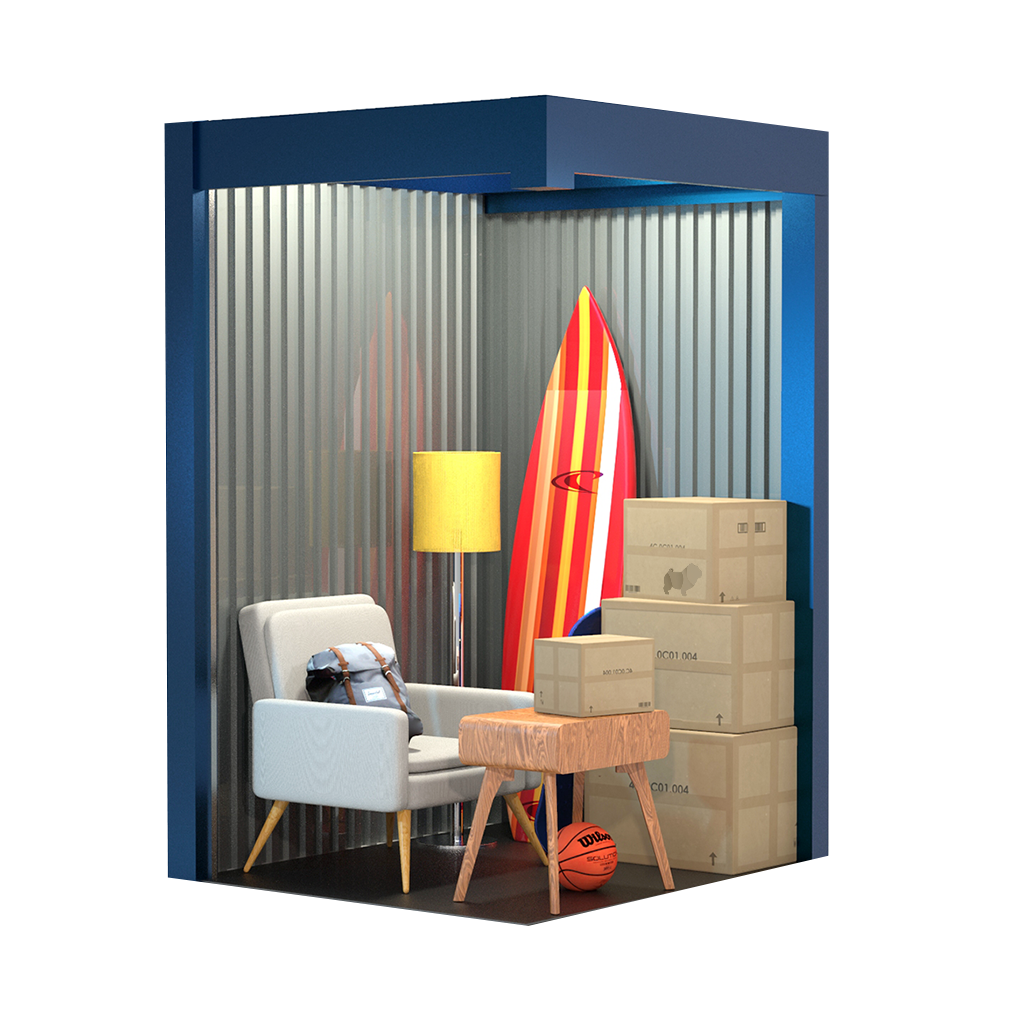
5'x5' Unit
This estimation is based on popular tips for common storage based on this size.
Similar in size to a hall closet
Holds approximately 54 medium boxes/totes
The contents of a typical garden shed
Equivalent of one small van load
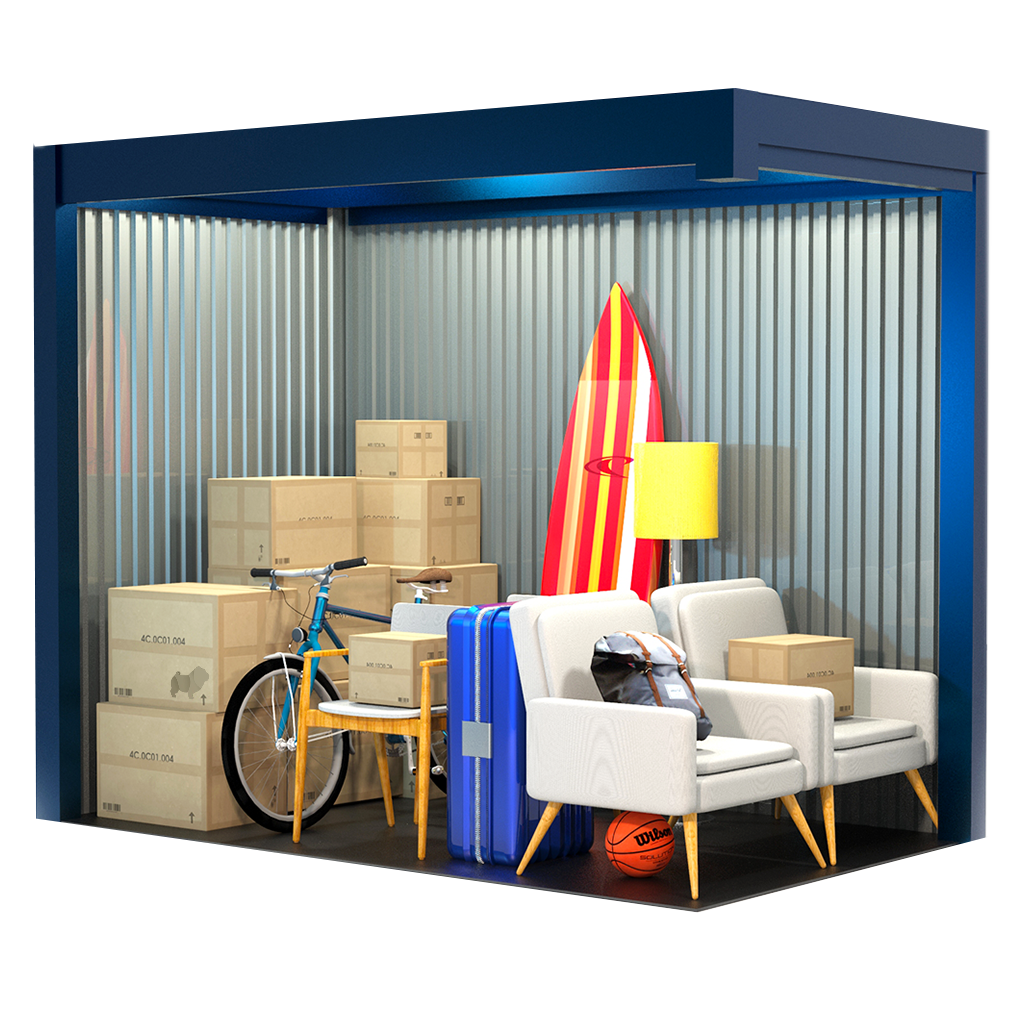
5’x10’ Unit
This estimation is based on popular tips for common storage based on this size.
Similar in size to a walk-in closet
Holds approximately 120 medium boxes/totes
The contents of one studio or one bedroom apartment
Equivalent of two small van loads
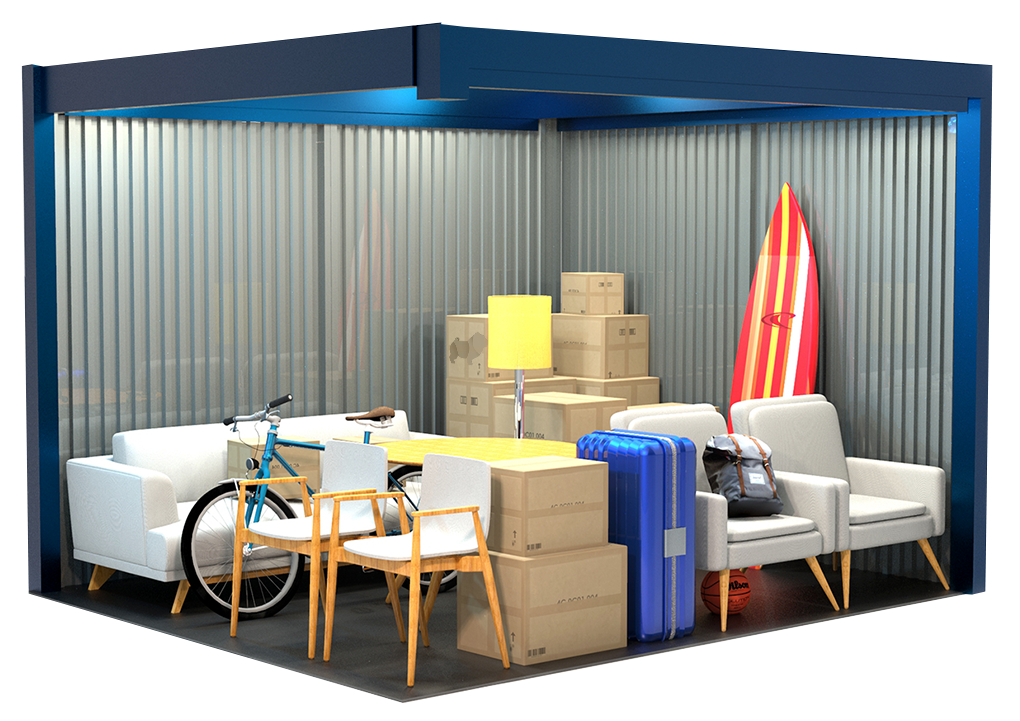
10’x10’ Unit
This estimation is based on popular tips for common storage based on this size.
Holds the contents of two bedroom house/apartment
Holds approximately 215 medium boxes/totes
The contents of a typical garage
Similar in size to a small bedroom or condo
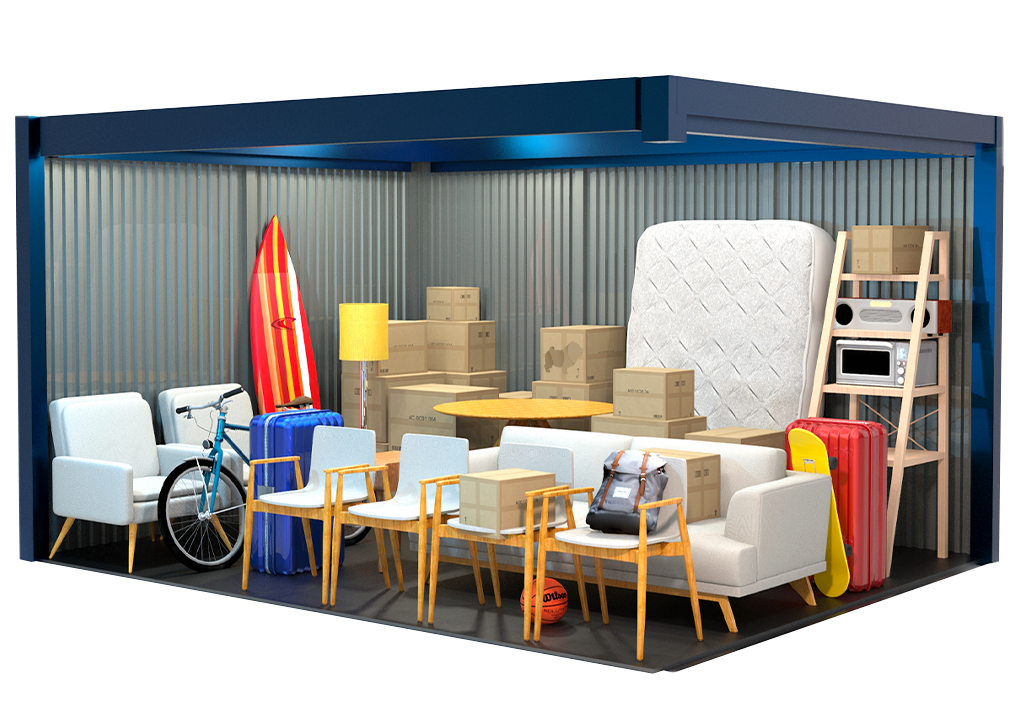
10’x15’ Unit
This estimation is based on popular tips for common storage based on this size.
Similar in size to a large bedroom. Slightly smaller than a single car garage.
Holds approximately 360 medium boxes/totes
The contents of a three bedroom house
Equivalent to one-to-two moving truck loads
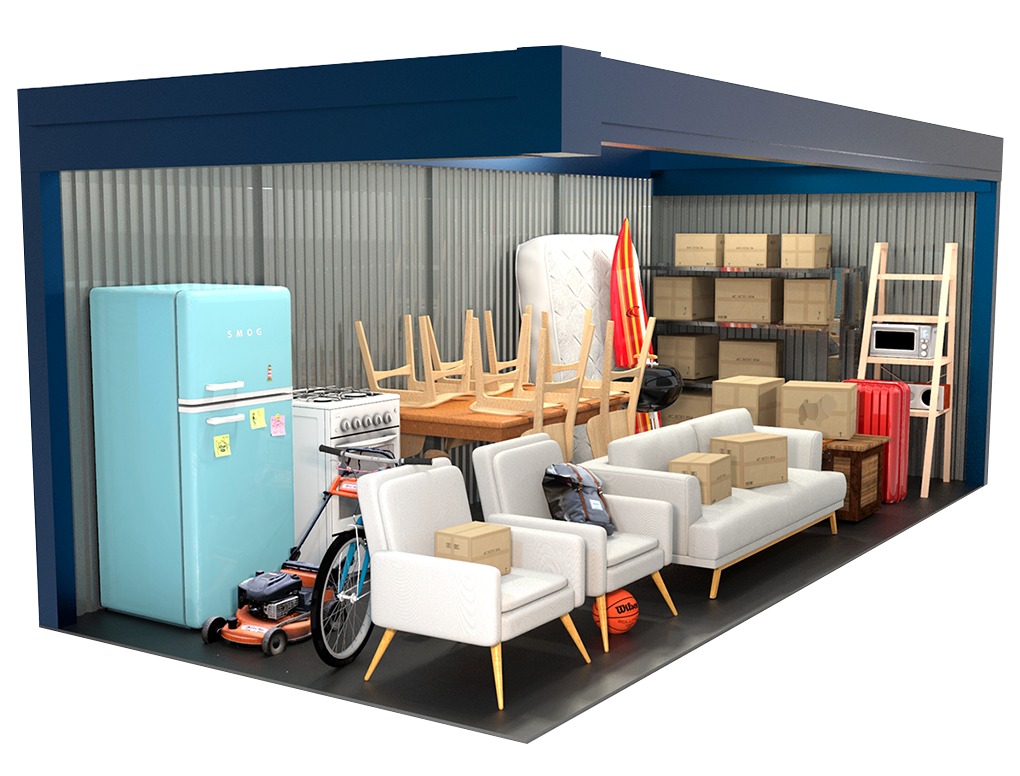
10’x20’ Unit
This estimation is based on popular tips for common storage based on this size.
Similar in size to a one car garage
Holds approximately 468 medium boxes/totes
The contents of a three-to-four bedroom house, plus garage
Equivalent of one-to-two moving truck loads
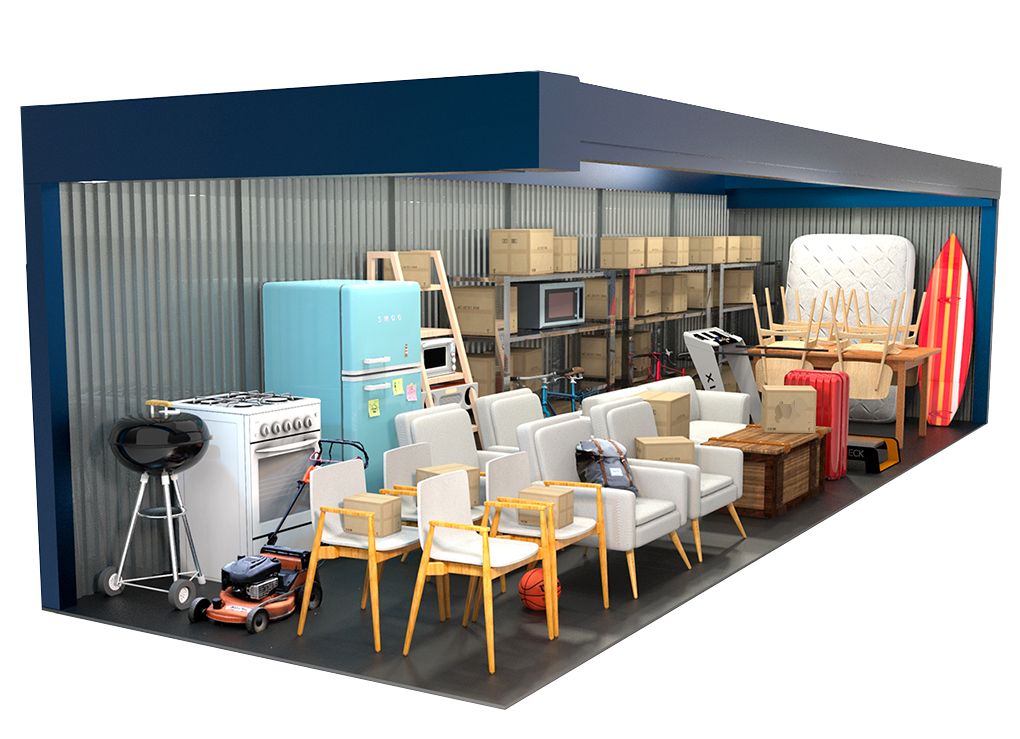
10’x30’ Unit
This estimation is based on popular tips for common storage based on this size.
Similar in size to a 1.5 car garage
Holds approximately 720 medium boxes/totes
The contents of a four bedroom house, plus garage
Equivalent to two-to-three moving truck loads
Two habits that save a size
Stack vertically. Units are eight feet or more to the ceiling and almost nobody uses the top three. Heavy and flat at the bottom, light and fragile on top, uniform boxes so they actually stack. Doing this properly is routinely the difference between a 10×15 and a 10×10.
Leave an aisle — but only if you need one. If you will be coming and going, a narrow centre aisle is worth the space it costs. If you are putting it away for a year, pack it wall to wall and take the smaller unit.
Which size for which situation
- 5×5 — a closet. Seasonal decorations, beach chairs, a few boxes, files.
- 5×10 — a walk-in closet. A studio’s contents, a motorcycle, bikes, paddleboards.
- 10×10 — half a garage. A one-bedroom condo, or one vacation rental turnover. The most-rented size almost everywhere.
- 10×15 — a large single garage. Two bedrooms with appliances, or a jet ski on a trailer with room around it.
- 10×20 — a single garage. A three-bedroom house, or a car plus a workshop.
- 10×30 — a long double garage. A full household plus a vehicle, or business inventory.
Vehicles are a different question
If you are storing a car, an RV or a boat, don’t think in unit sizes at all — think in length, measured bumper to bumper including the hitch and anything on the back. Our outdoor spaces run to 12×45.
First month free
New tenants get the first month free on any unit or outdoor space — including the big RV spaces. Month to month, so you are never locked into a year to get the deal.
Questions people actually ask
- What size do I need for a three-bedroom house?
A 10×20 for most, a 10×30 if you have appliances and a lot of garage. Pack tall and a 10×20 goes further than people expect.
- How high can I stack?
To within a foot or so of the ceiling, provided it is stable and the heavy things are at the bottom. Don’t block the door with a tower.
- Should I get a bigger unit than I think I need?
If you are between two sizes and will be visiting regularly, take the larger. If you are packing it away and closing the door, take the smaller and pack it properly.
- Can I switch sizes later?
Yes, when something suitable is open. Month to month means changing is easy.
More on storage in Panama City Beach
Sizes and prices
Storage unit sizes and prices in Panama City Beach, from 5x5 interior to 10×30 drive-up, plus outdoor RV and boat spaces to 12×45. First month free for new tenants.
Self storage units in Panama City Beach
Clean, gated, drive-up self storage units in Panama City Beach from 5x5 to 10×30. Month-to-month, keypad gate access 6am-10pm, first month free for new tenants.
RV storage and parking in Panama City Beach
Outdoor RV storage in Panama City Beach with spaces up to 12×45 for 40ft-plus motorhomes and fifth wheels. Gated, lit, wide aisles, 6am gate access. First month free.